

Smith & Wesson Model 3 Revolver.
Firearm Friday is back, and as always, we’re taking a look at the guns that didn’t just make history they helped shape it.
This week’s featured firearm is the iconic Smith & Wesson Model 3, a revolver that marked a major turning point in handgun design during the late 19th century. First introduced in 1870, the Model 3 was Smith & Wesson’s first successful large-frame cartridge revolver and quickly stood apart thanks to its innovative top-break action.

At a time when many handguns still relied on percussion caps or slow-loading designs, the Model 3 offered shooters a faster, more efficient system that was truly ahead of its time.

One of the defining features of the Model 3 was its automatic star extractor, which ejected all spent cartridges simultaneously when the revolver was opened. This allowed for rapid reloading, an invaluable advantage for military cavalry units, lawmen, and anyone whose life might depend on speed.

Early success with the Model 3 led to several refinements, culminating in the famous Schofield improvements, named after Major George W. Schofield. His modifications made the revolver easier to operate one-handed from horseback, further increasing its appeal for mounted troops and frontier users alike.

The revolver pictured here is a Second Variant Smith & Wesson Model 3, representing a more refined stage of the design. Second Variant examples show subtle but important changes from early production, including improvements to internal components, extractor design, and markings.

These revolvers reflect Smith & Wesson’s response to field use and feedback, resulting in better durability and smoother operation. Today, Second Variant Model 3 revolvers are especially prized by collectors for their balance of early innovation and improved craftsmanship.

Following the Schofield improvements, Model 3–style revolvers saw widespread use across the American frontier. While Colt revolvers often dominate popular Wild West imagery, Smith & Wesson top-breaks were carried by many frontier figures, lawmen, Wells Fargo guards, and outlaws alike.


The fast reload capability made them particularly attractive to professionals who valued efficiency.

Showmen and scouts such as Buffalo Bill Cody were known to favor Smith & Wesson revolvers at various points, and the Schofield-pattern Model 3 was commonly encountered in the hands of cavalrymen, peace officers, and armed travelers during the height of the frontier era. Its presence across the West cemented its reputation as a serious working gun, not just a military sidearm.

Beyond its mechanical innovation, the Smith & Wesson Model 3 occupies an important place in firearms history as a bridge between early cartridge revolvers and the modern designs that followed.


Its influence can still be seen today, and its role in both military service and frontier life gives it a legacy few firearms can match. Whether admired for its engineering, its history, or its unmistakable profile, the Model 3 remains a symbol of a rapidly changing America.


Thanks for stopping by Firearm Friday where history, craftsmanship, and the stories behind the steel live on. We’ll see you next week.

Related Posts
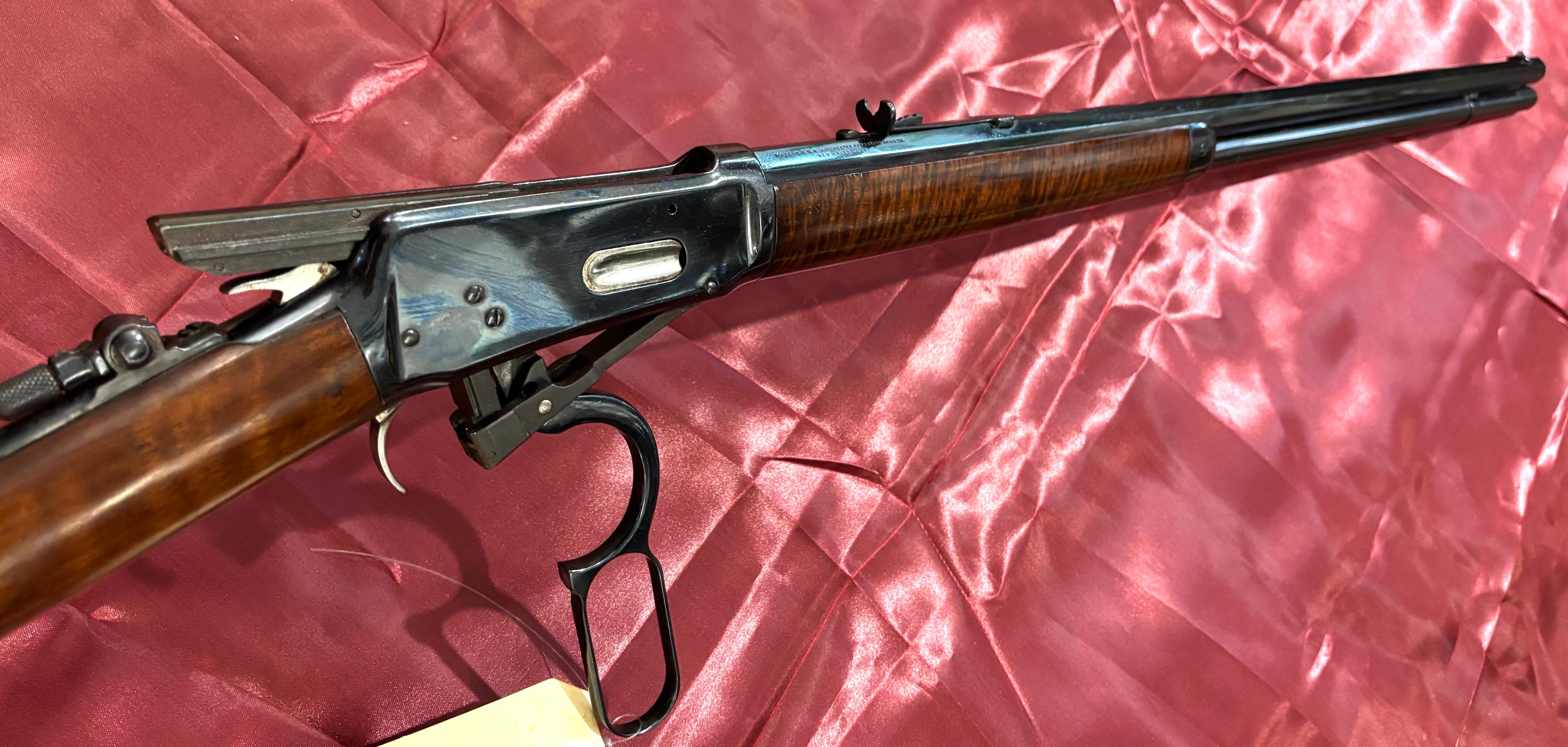
Winchester 1894 Lever Action Rifle


